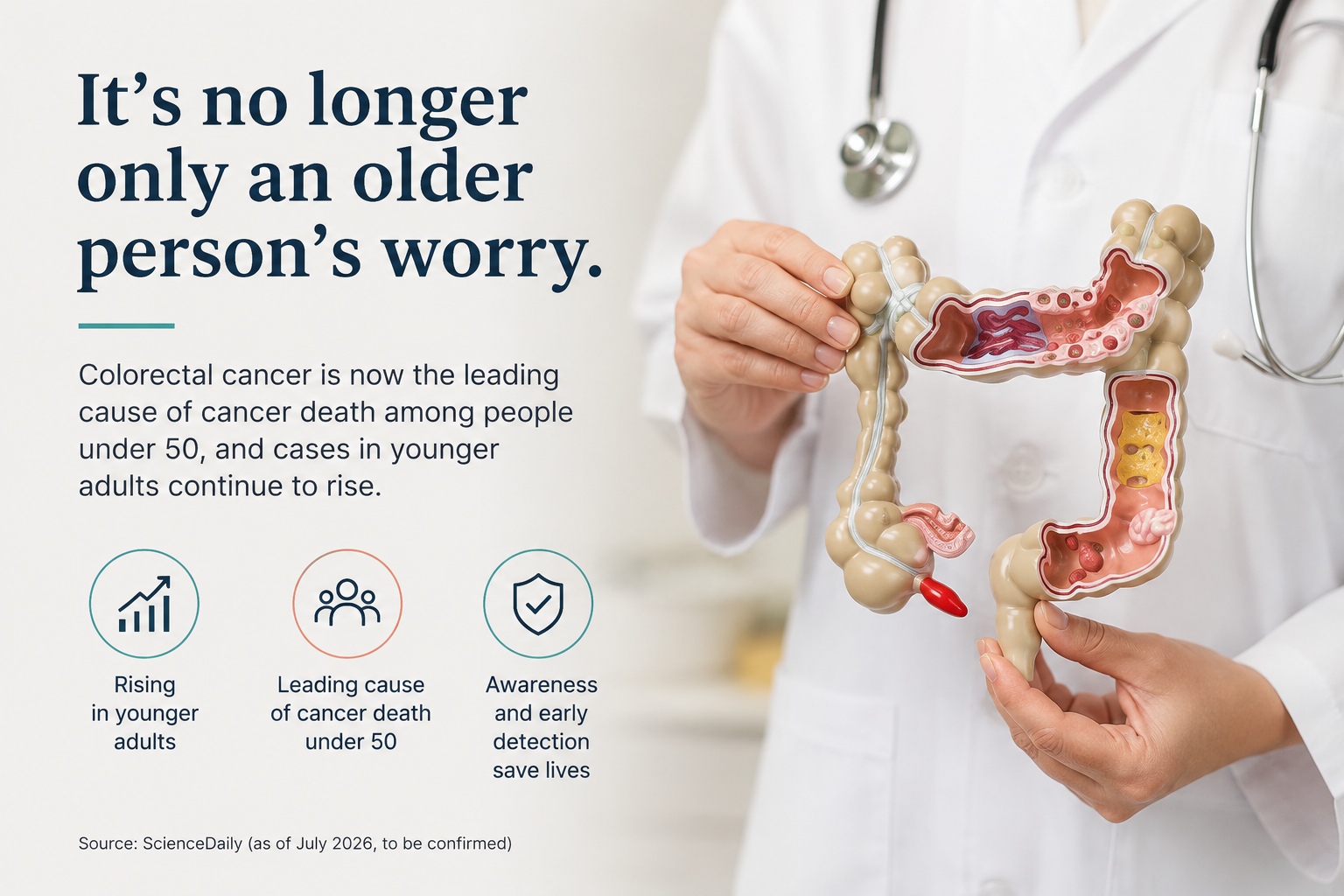

If you have been told your blood sugar is "creeping up," now is the time to pay attention. Insulin resistance means your cells stop responding well to insulin, the hormone that acts like a key unlocking your cells so sugar can move in from the blood.
When the key stops working, sugar backs up in the bloodstream.
It's tempting to blame a single villain. But insulin resistance almost always grows out of a few things working together and in the U.S., the three biggest are carrying extra weight, moving too little, and eating in a way that keeps blood sugar spiking. They feed each other, which is exactly why improving one tends to lift the others.
What is quietly driving it
The single biggest lever, in my view, is the flood of quick carbohydrates. White rice, pasta, sugary drinks, and processed snacks spike blood sugar fast, and that constant demand wears down how your cells respond. Your body was not designed to run on refined sugar all day.
-
Prevalence: About 1 in 3 U.S. adults have prediabetes (Source: CDC, National Diabetes Statistics Report).
-
Awareness gap: More than 8 in 10 with prediabetes do not know it (Source: CDC).
-
The quiet part: Like high blood pressure, early insulin resistance usually has no symptoms, which is why screening matters.
Long story short: you often cannot feel it, so you have to test for it and act early.
What actually helps
Clearly, the fix is not a crash diet or one magic pill. It is steady, repeatable change.
I tell patients to shift the plate: fewer refined carbs, more protein and fiber to slow how fast sugar hits the blood.
-
Trade the spike: swap sugary drinks for water; move from white rice toward vegetables, beans, and whole grains.
-
Anchor with protein: lean meats and chicken breast in reasonable portions help you feel full and blunt sugar spikes.
-
Move daily: a brisk walk after meals is one of the most underrated tools for lowering blood sugar.
"In adults at high risk, a structured lifestyle program cut the rate of new type 2 diabetes by 58% over about three years." (Source: NIH, Diabetes Prevention Program)
That figure convinces me every time. Modest weight change and consistent movement outperformed medication in that landmark study, which is why I treat lifestyle as the foundation, not the afterthought.
Where a provider fits in
Do not do this guessing. Ask for a simple blood test to know your numbers, and build a realistic plan with someone who tracks it with you.
-
Know your A1c: a screening test showing your average blood sugar over roughly three months.
-
Pair food with follow-up: I attach a nutrition check-in to every plan, not just a handout.
-
Seek care promptly for unusual thirst, blurred vision, or a foot wound that will not heal.
Here is what I want you to carry out the door.
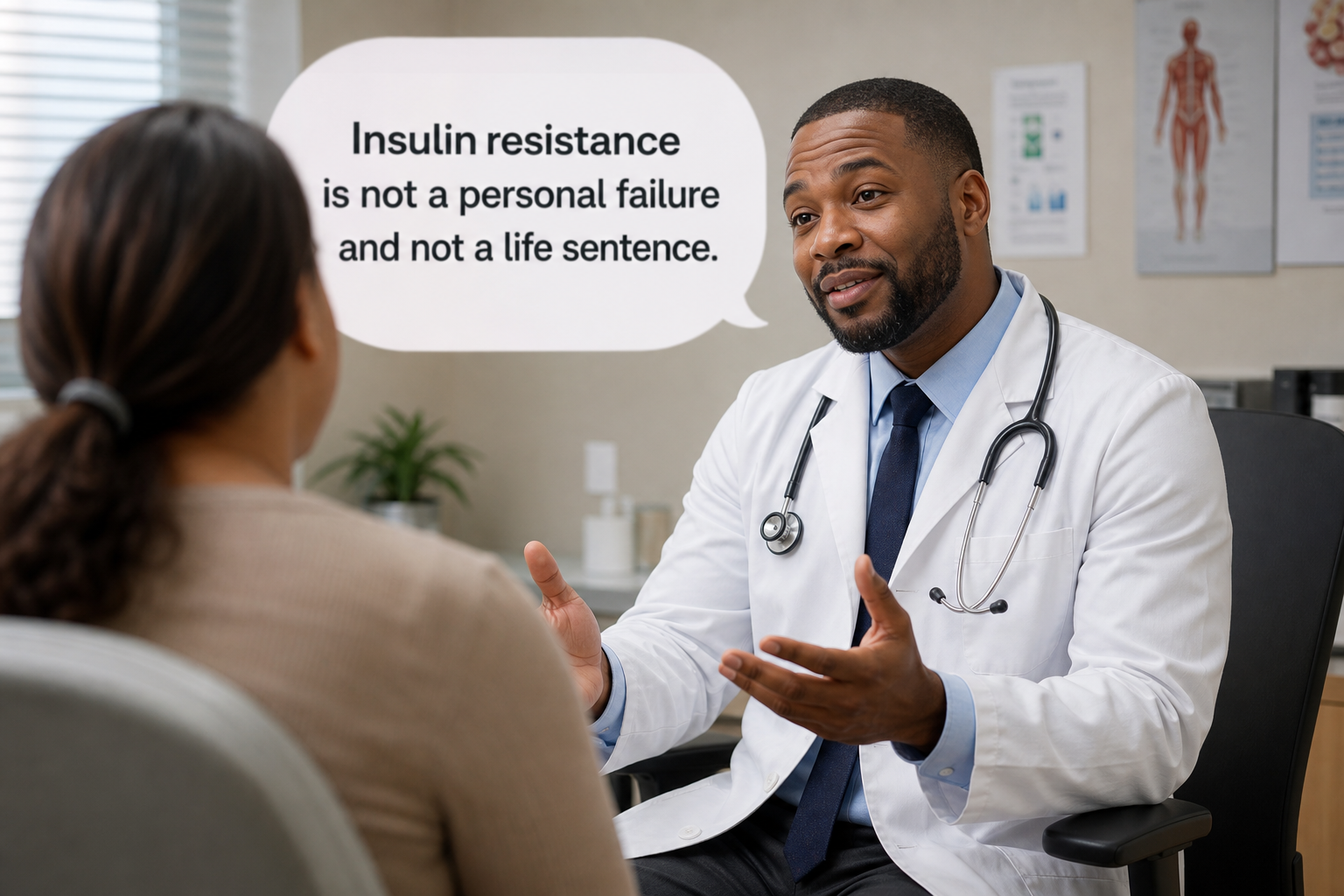
Insulin resistance is not a personal failure and not a life sentence.
It responds, often dramatically, to small choices you repeat. Results vary, so partner with a provider and start with one change this week. Definitely start.
Your future self will thank you for the walk you take today.
 |
WRITTEN BY |  |
Call 281-354-2417
Book at www.diversecommunityhc.com
Email Info@diversecommunityhc.com
21693 FM 1314 Rd #400, Porter, TX 77365
Disclaimer
This content is provided for educational and informational purposes only and does not constitute medical advice, diagnosis, or treatment. Reading this article does not establish a physician-patient relationship. Treatment decisions should always be made in consultation with a qualified licensed healthcare professional. If you are experiencing a medical emergency, call 911 immediately.