

I meet plenty of people who feel "off" without a clear reason.
They are tired, a little achy, maybe a bit down, and they chalk it up to a busy life. In my view, one worth checking is vitamin D, the nutrient your body makes from sunlight and uses to keep bones and muscles working well.
Vitamin D deficiency is common, and it is easy to miss because the signs are quiet. Let me walk you through what I watch for.
The Signs I Watch For
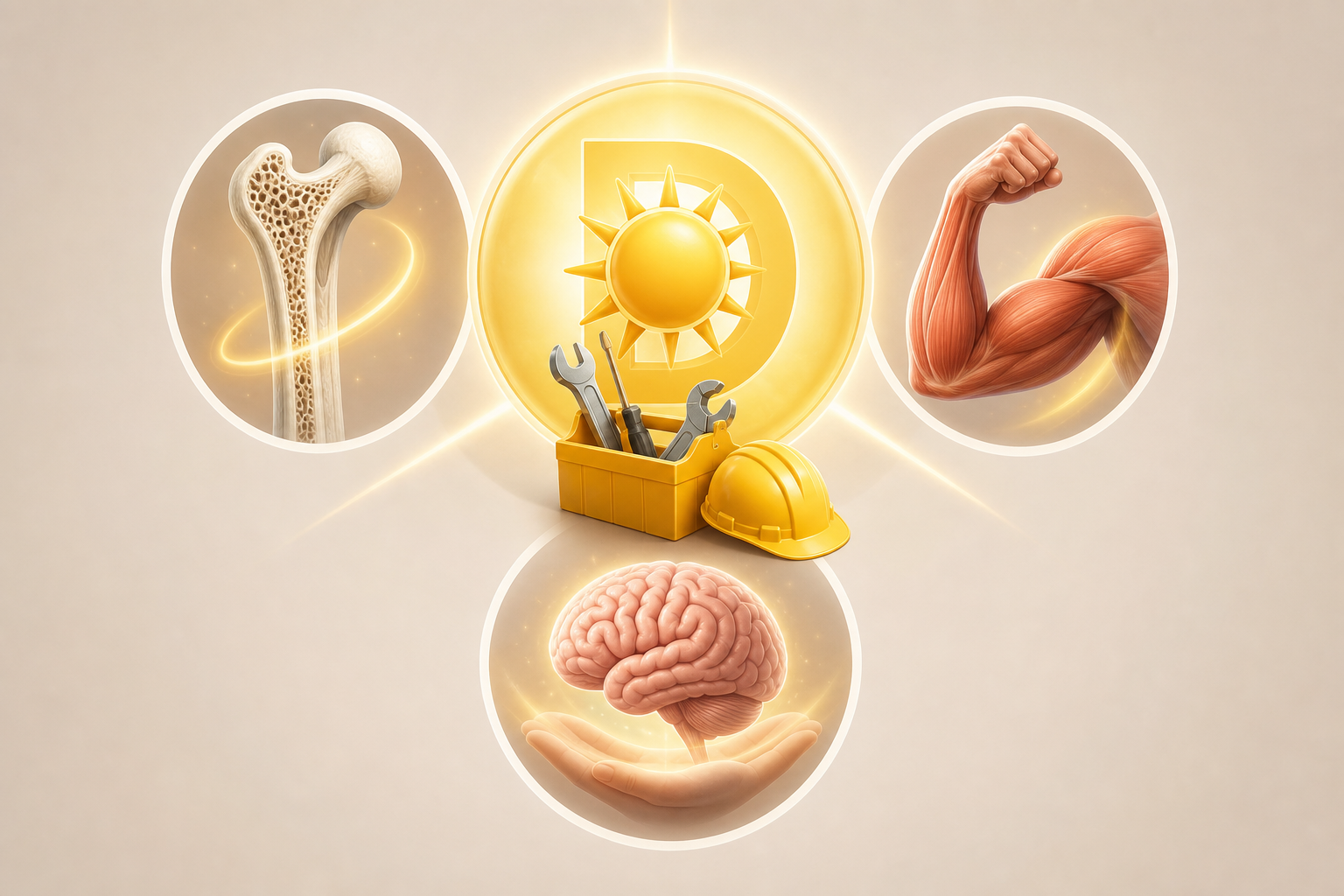
Think of vitamin D as the maintenance crew for your bones, muscles, and mood.
When that crew is understaffed, the building still stands, but small things start to wear down. Picture someone who drags through every afternoon and blames their mattress or their schedule. Sometimes the real story is simpler.
-
Fatigue and low energy: Feeling tired or sluggish through most of the day, even after rest.
-
Bone and lower back discomfort: A dull ache, often in the lower back.
-
Muscle aches and weakness: Soreness, tenderness, or noticeable loss of strength.
-
Mood changes: Feeling down, irritable, or riding emotional ups and downs.
-
Slow wound healing and hair shedding: Cuts that linger and more hair in the brush.
None of these alone proves a deficiency. But when several show up together, that is my cue to look closer.
Why It Is Worth Checking
Vitamin D deficiency is far more widespread than most people expect, which is exactly why I bring it up during routine visits. A simple blood test tells us where you stand.
"About 1 billion people worldwide have vitamin D deficiency or insufficiency." (Source: NIH, Office of Dietary Supplements)
"Vitamin D helps the body absorb calcium and is needed for bones to be strong." (Source: CDC)
Long story short: the symptoms are vague, but the fix starts with knowing your numbers.
That is the whole point of checking.
What To Do About It
Here is where I want to be careful. I am not promising that a supplement will erase your fatigue or lift your mood. Results vary, and these signs can point to other conditions too. What I am telling you is that this is a real, testable, and manageable issue worth raising with your own provider.
-
Get tested: A basic vitamin D blood test is quick and widely available.
-
Talk before you supplement: The right dose depends on your level and your health history, not a bottle label.
-
Use everyday sources: Safe sun exposure and foods like fatty fish and fortified milk help.
-
Recheck: Levels shift with seasons and habits, so follow up matters.
In my view, the smartest move is the boring one: know your numbers and bring them to a real conversation with your clinician.
If you have been quietly adapting around fatigue, aches, or a low mood, do not wait it out alone. Book a visit, get the test, and let the results guide the plan.
That is the kind of steady, unglamorous care that actually pays off, and I will always push you toward it.
 |
WRITTEN BY |  |
Call 281-354-2417
Book at www.diversecommunityhc.com
Email Info@diversecommunityhc.com
21693 FM 1314 Rd #400, Porter, TX 77365
Disclaimer
This content is provided for educational and informational purposes only and does not constitute medical advice, diagnosis, or treatment. Reading this article does not establish a physician-patient relationship. Treatment decisions should always be made in consultation with a qualified licensed healthcare professional. If you are experiencing a medical emergency, call 911 immediately.