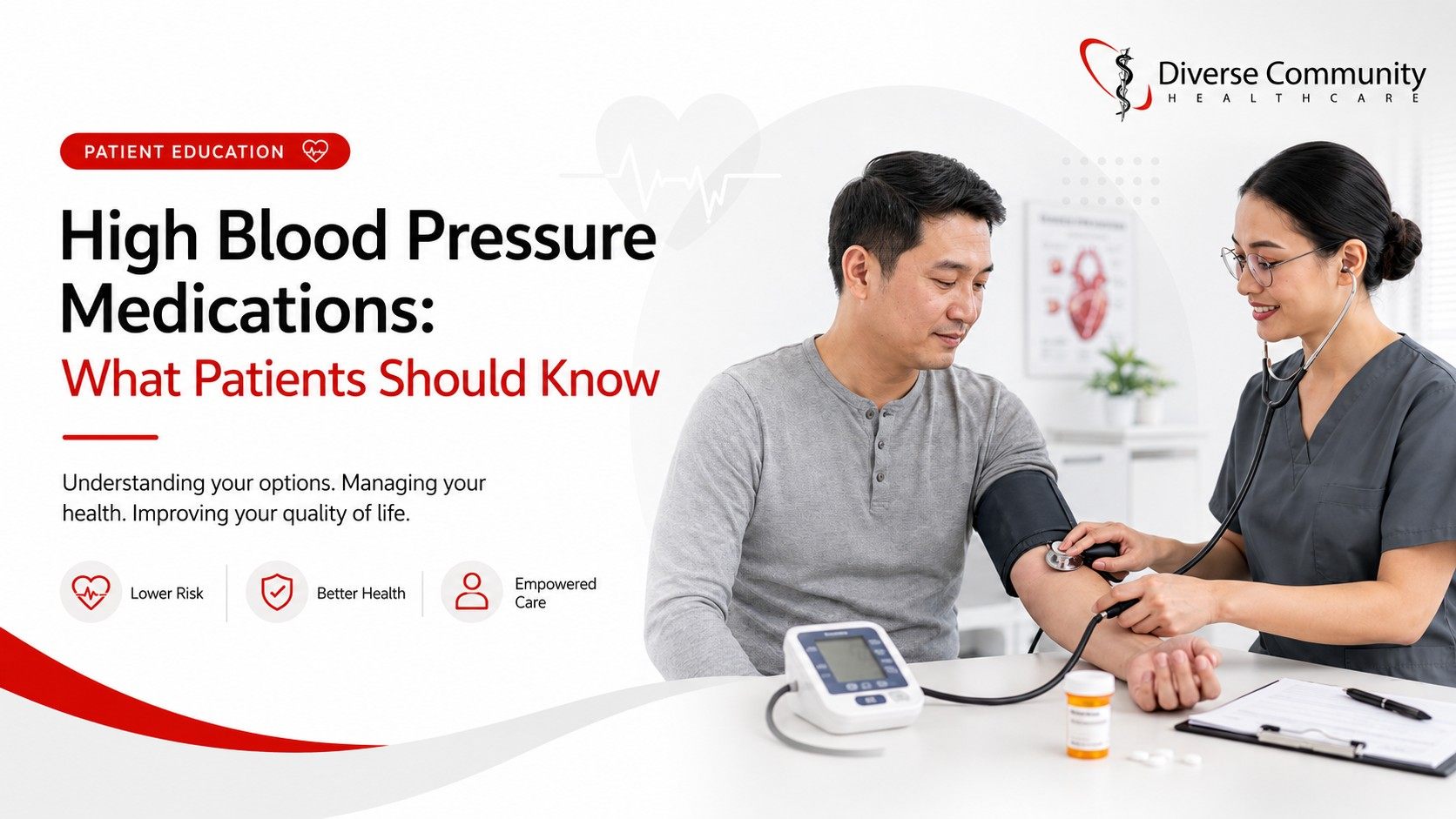
High blood pressure is also called hypertension. It means the pressure inside your blood vessels is too high. A normal blood pressure goal can vary from person to person, but many doctors consider blood pressure high when it is around 130/80 or higher. The top number is called the systolic number. The bottom number is called the diastolic number.
High blood pressure is common, but it should not be ignored. Over time, it can damage the heart, brain, kidneys, and blood vessels. The good news is this: high blood pressure can usually be treated. Lifestyle changes and medications can lower your risk of serious problems.
Why high blood pressure matters
High blood pressure usually does not cause symptoms. That is why many people call it a “silent killer.” Even if you feel fine, untreated high blood pressure can increase your risk of:
- Heart attack
- Stroke
- Heart failure
- Kidney failure
- Dialysis
- Damage to arteries
- Vision problems
Lowering blood pressure helps protect your organs and can prevent major health problems.
Lifestyle changes come first
Medication is important for many people, but lifestyle changes matter too. Some patients can lower their blood pressure by making changes like:
- Eating less salt
- Losing weight if overweight
- Exercising regularly
- Drinking less alcohol
- Quitting smoking
- Eating more fruits and vegetables
- Avoiding highly processed foods
A good salt goal for many people is less than 2,300 mg of sodium per day. That is about one teaspoon of table salt total per day, including salt already inside packaged and restaurant foods.
That does not mean you have to eat boring food. It means you need to be careful with canned foods, fast food, chips, deli meats, frozen dinners, and salty seasonings.
Why do some people need medication?
Lifestyle changes help, but they are not always enough. Some people need one blood pressure medicine. Others need two or more.
This does not mean you failed. High blood pressure can run in families, get worse with age, or be connected to other medical problems.
Your doctor chooses medication based on:
- How high your blood pressure is
- Your age
- Your other health problems
- Your kidney function
- Your heart history
- Possible side effects
- Other medicines you already take
Sometimes it takes a few tries to find the best medication and dose.
Common types of blood pressure medications
1. Water pills, also called diuretics
Examples include:
- Hydrochlorothiazide
- Chlorthalidone
- Indapamide
These medicines help your body get rid of extra salt and water through urine. Less extra fluid in the body can lower blood pressure.
Possible side effects include:
- More urination
- Low potassium
- Muscle cramps
- Weakness
- Dizziness
- Gout flare-ups in some people
Some patients may need blood tests to check potassium and kidney function.
2. ACE inhibitors
Examples include:
- Lisinopril
- Enalapril
- Benazepril
- Ramipril
ACE inhibitors help relax blood vessels. When blood vessels relax, blood flows more easily, and pressure goes down.
These medicines are commonly used in people with high blood pressure, diabetes with protein in the urine, heart failure, or a history of heart attack.
Possible side effects include:
- Dry cough
- High potassium
- Kidney function changes
- Rash
- Dry mouth
A rare but serious side effect is swelling of the lips, tongue, face, or throat. This is called angioedema.
If this happens, stop the medication and get emergency help right away. Swelling in the throat can make it hard to breathe.
3. ARBs
Examples include:
- Losartan
- Valsartan
- Olmesartan
- Telmisartan
- Irbesartan
ARBs work in a similar way to ACE inhibitors. They relax blood vessels and lower blood pressure. The main difference is that ARBs are less likely to cause a dry cough.
Possible side effects include:
- Headache
- Nausea
- Dry mouth
- Belly discomfort
- High potassium
- Kidney function changes
Angioedema can still happen, but it is less common than with ACE inhibitors.
4. Calcium channel blockers
Examples include:
- Amlodipine
- Nifedipine
- Diltiazem
- Verapamil
These medicines relax blood vessels. Some also slow the heart rate.
Possible side effects include:
- Swelling in the feet or ankles
- Headache
- Flushing
- Nausea
- Constipation, especially with verapamil
- Slow heart rate with some types
Amlodipine is a common one. One of the most common complaints with amlodipine is ankle or leg swelling.
5. Beta blockers
Examples include:
- Metoprolol
- Atenolol
- Carvedilol
- Labetalol
- Propranolol
Beta blockers slow the heart down and reduce how hard the heart pumps. This can lower blood pressure.
They are often used for patients with certain heart problems, such as previous heart attack, heart failure, or chest pain.
Possible side effects include:
- Tiredness
- Slow heart rate
- Cold hands or feet
- Trouble exercising as hard as usual
- Sleep problems
- Vivid dreams
- Worsening asthma or breathing problems in some people
In people with diabetes, beta blockers can sometimes hide warning signs of low blood sugar, such as a fast heartbeat.
6. Alpha blockers
Examples include:
- Doxazosin
- Prazosin
- Terazosin
Alpha blockers relax blood vessels. They can also help some men with prostate-related urinary symptoms. These are not usually the first choice for treating regular high blood pressure.
Possible side effects include:
- Dizziness
- Lightheadedness
- Low blood pressure when standing
- Higher risk of falls
- Possible increased risk of heart failure in some patients
The dizziness is often worse when first starting the medication or increasing the dose.
7. Direct vasodilators
Examples include:
- Hydralazine
- Minoxidil
These medicines directly relax blood vessels. They are usually used when blood pressure is harder to control or when other medicines are not enough.
Possible side effects include:
- Headache
- Fast heartbeat
- Swelling in the legs
- Constipation
Minoxidil can also cause extra hair growth. A skin version of minoxidil is used for hair loss, but the pill form is used for severe or resistant blood pressure problems.
Why your doctor may choose one medication over another
Not every blood pressure medicine is right for every person.
For example:
- Patients with diabetes and protein in the urine may benefit from an ACE inhibitor or ARB.
- Patients with a prior heart attack may benefit from a beta blocker.
- Patients with heart failure may need specific blood pressure medicines.
- Patients with gout may need to avoid certain water pills.
- Patients who are pregnant or planning pregnancy should not take ACE inhibitors or ARBs.
This is why it is important to tell your doctor about all your medical problems, even if they seem unrelated.
Why you may need more than one medication
Many patients need two or more medicines to control blood pressure. That does not mean your condition is hopeless. It is very common.
Sometimes using two low-dose medicines works better than using one high-dose medicine. It may also cause fewer side effects.
Some medications even come combined in one pill, which can make treatment easier.
Common side effects from lowering blood pressure
When blood pressure first starts coming down, some people feel:
- Dizzy
- Tired
- Lightheaded
- Sleepy
- Weak
This can happen because your body is adjusting to a lower blood pressure. These symptoms often improve after a few weeks.
But do not ignore severe symptoms. Call your doctor if you feel like you may pass out, have chest pain, have trouble breathing, or feel extremely weak.
Do not stop your medication suddenly
This is important. Do not stop blood pressure medication without talking to your doctor first.
Stopping suddenly can cause your blood pressure to rise quickly. With some medications, it can even increase the risk of chest pain, fast heart rate, or other serious problems.
If you think a medicine is causing side effects, call your doctor. There may be a better dose, a better time of day to take it, or a different medication.
What you should bring to your appointment
Bring:
- A list of all your medications
- Your home blood pressure readings
- Any side effects you noticed
- Any vitamins or supplements you take
- A list of past medication problems
- Your pharmacy information
If you check your blood pressure at home, write down:
- The date
- The time
- The blood pressure number
- Your heart rate
- Whether you had symptoms
This helps your doctor make safer decisions.
Bottom line
High blood pressure is common, but it is serious if left untreated. It can damage your heart, kidneys, brain, and blood vessels over time. Lifestyle changes can help a lot. But many people also need medication.
There are several types of blood pressure medicines, and each works differently. The best medication for you depends on your body, your medical history, and how you respond.
The goal is simple: lower your blood pressure safely and protect your future health.
Disclaimer
This content is provided for educational and informational purposes only and does not constitute medical advice, diagnosis, or treatment. Reading this article does not establish a physician-patient relationship. Treatment decisions should always be made in consultation with a qualified licensed healthcare professional. If you are experiencing a medical emergency, call 911 immediately.