
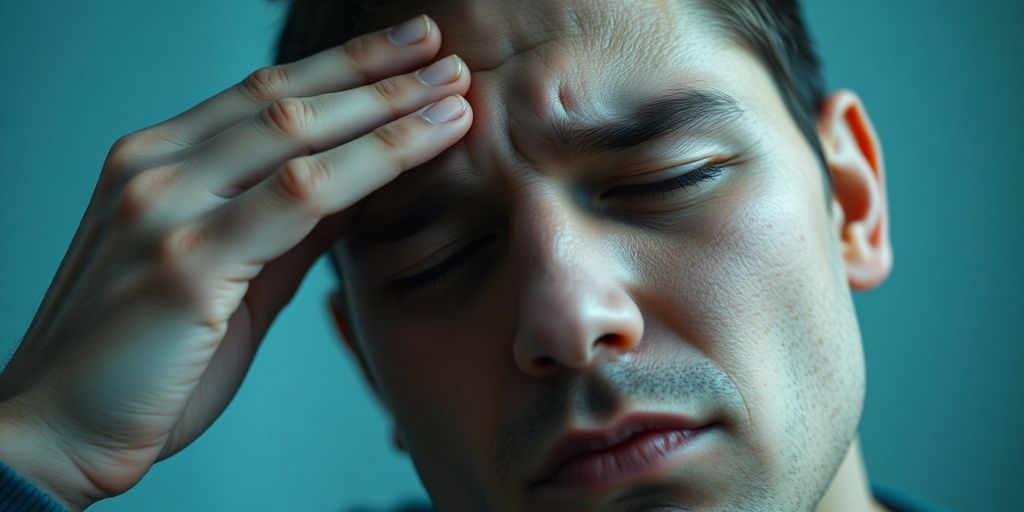
Almost everyone has dealt with a headache at some point. Sometimes, it's just a little annoyance that goes away with some rest or a pain pill. But other times, a headache can be really bad, making you wonder if something serious is going on. Luckily, really bad problems like strokes or tumors are rare. Still, it's good to know when a headache needs quick medical attention and how to handle most headaches that aren't dangerous. This article will help you understand what causes headaches, how to find relief, and when it's time to see a doctor.
Key Takeaways
- Headache pain doesn't actually come from your brain tissue itself, but from surrounding structures like blood vessels and nerves.
- Headaches are generally split into two main types: primary (the headache is the main problem) and secondary (the headache is a symptom of something else).
- Common primary headaches include tension headaches, migraines, and cluster headaches, each with its own set of characteristics.
- Many things can set off a headache, like what you eat, how much stress you have, or even your environment.
- Keeping a headache journal can really help you and your doctor figure out what's causing your headaches and the best way to treat them.
Understanding Headache Origins
The Brain's Role in Pain Perception
It might seem obvious that headaches originate in the brain, but the reality is more nuanced. The brain itself doesn't actually feel pain because it lacks nociceptors, which are specialized pain receptors. Instead, headaches arise from the complex interplay of signals involving blood vessels, nerves, and muscles surrounding the head and neck. These structures can become inflamed or irritated, sending pain signals that the brain interprets as a headache. Understanding this distinction is key to grasping the true source of headache pain.
Identifying Pain-Sensing Structures
So, if the brain isn't feeling the pain directly, what is? Several structures around the head and neck are equipped with pain receptors and can contribute to headaches:
- Blood Vessels: The arteries and veins in the head can dilate or constrict, triggering pain signals.
- Muscles: Tension in the scalp, face, and neck muscles is a common source of headaches.
- Nerves: The trigeminal nerve, which transmits sensations from the face to the brain, plays a significant role in many types of headaches.
- Meninges: These are the membranes surrounding the brain and spinal cord, and they contain pain-sensitive nerve endings.
It's important to remember that headaches are rarely caused by a single factor. Instead, they often result from a combination of these structures interacting in complex ways. Pinpointing the specific structures involved can be challenging, but it's a crucial step in finding effective relief.
Common Areas Causing Head Pain
While the pain of a headache can feel diffuse, it often originates in specific areas. Recognizing these common locations can provide clues about the type of headache you're experiencing. For example, tension headaches frequently cause pain in the forehead or at the base of the skull. Migraines, on the other hand, may be felt on one side of the head and can be accompanied by sensitivity to light and sound. Sinus headaches often cause pain and pressure around the eyes, cheeks, and forehead. Understanding these patterns can help you better describe your symptoms to a healthcare provider and receive an accurate diagnosis. If you are experiencing headaches lasting for days, it's important to seek medical advice.
Classifying Headache Types
It's easy to think a headache is just a headache, but there's actually a whole world of different kinds. Understanding the type of headache you're experiencing is the first step in finding the right way to manage it. Headaches are broadly classified into two main categories: primary and secondary.
Primary Headache Conditions
Primary headaches are those where the headache itself is the main problem, not a symptom of something else. Think of it like this: the headache is the disease, not just a sign that something else is wrong. Common examples include:
- Tension headaches: These are super common and often feel like a tight band around your head.
- Migraines: These can be intense, with throbbing pain, sensitivity to light and sound, and sometimes nausea.
- Cluster headaches: These are rare but very painful, often occurring in clusters of time.
Secondary Headache Symptoms
Secondary headaches, on the other hand, are caused by an underlying medical condition. The headache is a symptom of something else going on in your body. This could be anything from:
- Sinus infections: Inflammation in your sinuses can lead to head pain.
- Dehydration: Not drinking enough water can trigger a headache.
- High blood pressure: In some cases, a headache can be a sign of hypertension.
- More serious conditions: Rarely, a headache could be a symptom of something serious like a brain tumor or aneurysm.
It's important to pay attention to any new or unusual headaches, especially if they're severe or accompanied by other symptoms. If you're concerned, it's always best to talk to a doctor to rule out any underlying medical conditions.
Distinguishing Headache Categories
So, how do you tell the difference between a primary and secondary headache? It can be tricky, but here are a few things to consider:
- Severity: Secondary headaches are often more severe and may come on suddenly.
- Associated symptoms: Secondary headaches are more likely to be accompanied by other symptoms like fever, stiff neck, vision changes, or weakness.
- Medical history: If you have a history of certain medical conditions, like high blood pressure or sinus infections, your headache may be more likely to be secondary.
If you're not sure what kind of headache you have, it's always a good idea to consult with a healthcare professional. They can help you determine the cause of your headaches and recommend the best course of treatment.
Common Primary Headache Varieties
Tension Headache Characteristics
Tension headaches are super common. Most adults will experience one at some point. Stress is a big trigger. The pain is usually mild to moderate, and it feels like a dull ache or tightness around your head. It's not usually debilitating, so most people can still function.
I get tension headaches when I'm stressed at work. It feels like someone is squeezing my head. Usually, some rest and maybe an over-the-counter pain reliever helps.
Here's a quick rundown:
- Dull, aching head pain
- Tightness or pressure across your forehead or the sides and back of your head
- Tenderness in your scalp, neck, and shoulder muscles
Migraine Headache Symptoms
Migraines are more intense than tension headaches. They can cause severe throbbing pain or a pulsing sensation, usually on one side of the head. Nausea, vomiting, and extreme sensitivity to light and sound are also common. Some people experience an aura before a migraine, which can include visual disturbances like flashing lights or blind spots. Migraines can last for hours or even days, seriously impacting your ability to function. If you think you have migraines, you should seek medical evaluation.
Cluster Headache Patterns
Cluster headaches are rare, but they are extremely painful. They occur in clusters, meaning you might have several headaches in a single day for weeks or months, followed by periods of remission. The pain is typically located around one eye and is often described as sharp, stabbing, or burning. Other symptoms can include a runny nose, watery eye, and facial sweating on the affected side. These headaches come on quickly and intensely. It's important to understand headache types to get the right treatment.
Here's a comparison table:
| Tension Headache | Migraine Headache | Cluster Headache | |
| Pain Level | Mild to Moderate | Moderate to Severe | Severe |
| Location | Usually both sides of the head | Usually one side of the head | Around one eye |
| Other Symptoms | Muscle tightness | Nausea, vomiting, sensitivity to light and sound | Runny nose, watery eye, facial sweating |
| Duration | 30 minutes to several hours | 4 hours to 3 days | 15 minutes to 3 hours |
| Common Triggers | Stress, muscle tension | Hormonal changes, certain foods, stress | Alcohol, smoking, strong odors |
Recognizing Headache Triggers

It's super important to figure out what sets off your headaches. What gives one person a headache might not bother someone else at all. Pinpointing these triggers is the first step in managing and potentially preventing headaches.
Environmental Factors and Headaches
Changes in the weather can be a big one. I know for me, a sudden drop in barometric pressure almost always brings on a headache. Strong smells, like perfumes or certain cleaning products, can also be triggers. Even things like bright or flickering lights can do it. It's all about paying attention to your surroundings and how they affect you. For example, if you are sensitive to light, you might want to consider using blue light glasses.
Lifestyle Influences on Headache Onset
Our daily habits play a huge role. Not getting enough sleep is a common culprit. Stress, whether it's from work or personal life, can definitely trigger headaches. Dehydration is another big one – I always try to keep a water bottle with me. And let's not forget about posture; slouching at a desk all day can really strain your neck and head muscles. Here's a quick list of things to consider:
- Sleep schedule: Aim for consistent sleep and wake times.
- Hydration: Drink plenty of water throughout the day.
- Exercise: Regular physical activity can help reduce stress and improve overall health.
It's worth keeping a headache diary to track these lifestyle factors and see if you can identify any patterns. Note down when your headaches occur, what you were doing beforehand, and how you were feeling. This can be a game-changer in figuring out your triggers.
Dietary and Stress-Related Triggers
What we eat and how we handle stress can significantly impact headaches. Certain foods, like aged cheeses or processed meats, contain compounds that can trigger headaches in some people. Skipping meals can also lead to a drop in blood sugar, which can cause a headache. Stress is a major factor; when we're stressed, our bodies release chemicals that can lead to muscle tension and headaches. Consider these points:
- Caffeine: Too much or too little can be a trigger.
- Alcohol: Especially red wine, can cause headaches in some people.
- Stress management: Techniques like meditation or yoga can help reduce stress-related headaches. You can also try stress reduction techniques.
Effective Headache Relief Strategies
Over-the-Counter Pain Management
When a headache strikes, many of us reach for the medicine cabinet. Over-the-counter (OTC) pain relievers can often provide quick relief for mild to moderate headaches. Options like ibuprofen, naproxen, and acetaminophen are readily available and can be effective. Some medications even combine acetaminophen with caffeine for an extra boost. However, it's important to follow the recommended dosage and be aware of potential side effects. If you find yourself needing OTC pain relievers frequently, it's a good idea to consult with a healthcare provider to explore other options and rule out any underlying issues. For tension headache, aspirin may help.
Stress Reduction Techniques
Stress is a major headache trigger for many people. Learning to manage stress can significantly reduce the frequency and intensity of headaches. There are several effective stress reduction techniques you can try:
- Deep breathing exercises: Taking slow, deep breaths can help calm your nervous system and reduce tension.
- Meditation: Even a few minutes of daily meditation can make a difference in your stress levels.
- Yoga: Combines physical postures, breathing techniques, and meditation to promote relaxation and reduce stress.
- Progressive muscle relaxation: Involves tensing and relaxing different muscle groups in your body to release tension.
Finding what works best for you might take some trial and error, but incorporating these techniques into your daily routine can have a positive impact on your overall well-being and headache frequency.
Lifestyle Adjustments for Relief
Making certain lifestyle adjustments can also play a significant role in headache relief and prevention. Simple changes to your daily habits can make a big difference. Consider these adjustments:
- Regular Sleep Schedule: Aim for 7-8 hours of sleep each night and try to go to bed and wake up around the same time every day, even on weekends.
- Hydration: Dehydration can trigger headaches, so make sure you're drinking enough water throughout the day. A good goal is to drink at least eight glasses of water daily.
- Regular Exercise: Physical activity can help reduce stress and improve overall health. Aim for at least 30 minutes of moderate-intensity exercise most days of the week. Consider relaxation techniques to manage stress.
- Dietary Changes: Identify and avoid any food triggers that may be contributing to your headaches. Common triggers include processed foods, caffeine, alcohol, and artificial sweeteners.
When to Seek Professional Help
It's easy to brush off a headache, especially if you get them often. But sometimes, a headache is more than just a headache. Knowing when to seek help from a healthcare professional can make a big difference. Don't hesitate to get checked out if something feels off.
Warning Signs for Urgent Care
Some headache symptoms require immediate medical attention. If you experience any of the following, it's important to go to the emergency room or call for help right away:
- A sudden, severe headache that feels like an explosion in your head.
- Headache accompanied by fever, stiff neck, confusion, seizures, numbness, weakness, or difficulty speaking.
- Headache after a head injury, especially if there's loss of consciousness.
- Visual disturbances, such as blurred vision, double vision, or loss of vision.
Ignoring these symptoms could lead to serious complications. It's always better to err on the side of caution when it comes to your health.
Changes in Headache Patterns
Pay attention to how your headaches are changing. If you notice any of these shifts, it's a good idea to consult a doctor:
- Headaches that become more frequent or severe.
- A new type of headache that's different from what you normally experience.
- Headaches that don't respond to over-the-counter pain relievers.
- Headaches that interfere with your daily activities.
It's also important to note if headaches start after age 50, as this could indicate a different underlying issue. If you need help finding a primary care doctor, there are tools available to assist you.
Consulting a Healthcare Provider
Even if your headaches aren't severe, it's worth talking to a healthcare provider if you have concerns. They can help you identify triggers, rule out underlying conditions, and develop a treatment plan that works for you. Consider seeking professional advice if:
- You're experiencing headaches more than 15 days a month.
- You need to take pain relievers every day or almost every day.
- You're using more than two to three doses of over-the-counter medications per week.
- Your headaches are triggered by exertion, coughing, or bending. Persistent headaches can significantly impact your quality of life, so don't hesitate to seek help.
Diagnosing Your Headache
Importance of a Headache Journal
Okay, so you're getting headaches, and they're messing with your life. The first step in figuring out what's going on is keeping a headache journal. Seriously, it sounds a little extra, but it gives your doctor a ton of useful information. Jot down when the headache started, how intense it was (on a scale of 1 to 10), where it hurt, and how long it lasted. Also, note anything you think might have triggered it – certain foods, stress, lack of sleep, whatever. This log helps you and your doctor see patterns and pinpoint potential causes. It's like being a detective, but for your head.
Medical Evaluation Questions
When you finally see a doctor, expect a bunch of questions. They'll want to know all about your headache history. Be prepared to describe the type of pain you experience. Here are some questions they might ask:
- When do your headaches usually happen?
- Where exactly does it hurt?
- What does the pain feel like (throbbing, stabbing, dull)?
- How long does each headache last?
- Have you noticed any changes in your behavior or personality?
- Does changing your position make it better or worse?
- Are you sleeping okay?
- Are you under a lot of stress?
- Have you had any recent head injuries?
The doctor is trying to figure out if your headaches are primary (like migraines or tension headaches) or secondary (caused by something else). Answering these questions honestly and thoroughly is super important for getting the right diagnosis.
Diagnostic Testing Procedures
Usually, if your doctor thinks you have a primary headache, they won't need to do a ton of tests. But if they suspect something else is going on, they might order some. These tests are to rule out other potential causes. Common tests include blood work, sinus X-rays, MRIs, and CT scans. MRIs help with diagnosis by providing detailed images of your brain and surrounding structures. Don't freak out if they order these – it doesn't automatically mean something serious is wrong. It's just part of the process of figuring out what's causing your pain.
Wrapping Things Up
So, we've talked a lot about headaches, right? It's pretty clear they're not all the same, and what works for one person might not work for another. The big takeaway here is to pay attention to your body. If a headache feels different, or just really bad, don't just tough it out. It's always a good idea to chat with a doctor. They can help figure out what's going on and get you on the right track to feeling better. Nobody likes dealing with a constant headache, so knowing when to get help is a smart move.
Frequently Asked Questions
What actually causes a headache?
Headaches happen when nerves in your head's blood vessels and muscles send pain signals. Your brain itself doesn't feel pain, but the areas around it, like your scalp, sinuses, and neck muscles, can. Things like stress, not enough sleep, or even certain foods can set off these pain signals.
What's the difference between primary and secondary headaches?
Most headaches, over 90% of them, are 'primary' headaches. This means the headache is the main problem, not a symptom of something else. 'Secondary' headaches are less common and are caused by another health issue, like a sinus infection or, rarely, something more serious.
What are the most common types of headaches?
The most common primary headaches are tension headaches, migraines, and cluster headaches. Tension headaches usually feel like a dull ache all over your head. Migraines often cause throbbing pain, usually on one side, and can come with light and sound sensitivity. Cluster headaches are very painful and happen in cycles, often around one eye.
What kinds of things can make a headache start?
Many things can trigger a headache. Environmental factors like bright lights or strong smells, lifestyle choices such as not getting enough sleep or skipping meals, and even certain foods or high stress levels can all set off a headache. Keeping a diary of when your headaches happen and what you were doing can help you figure out your personal triggers.
How can I get rid of a headache?
For mild headaches, over-the-counter pain relievers can help. For more frequent or severe headaches, managing stress through relaxation techniques, getting enough sleep, and staying hydrated can make a big difference. Your doctor might also suggest specific medications or other therapies.
When should I be concerned about a headache and see a doctor?
You should see a doctor if your headaches suddenly change, become much worse, or come with other worrying symptoms like weakness, vision changes, or a stiff neck. It's also a good idea to talk to a healthcare provider if your headaches are happening more often, are very severe, or are interfering with your daily life.
Disclaimer
This content is provided for educational and informational purposes only and does not constitute medical advice, diagnosis, or treatment. Reading this article does not establish a physician-patient relationship. Treatment decisions should always be made in consultation with a qualified licensed healthcare professional. If you are experiencing a medical emergency, call 911 immediately.