
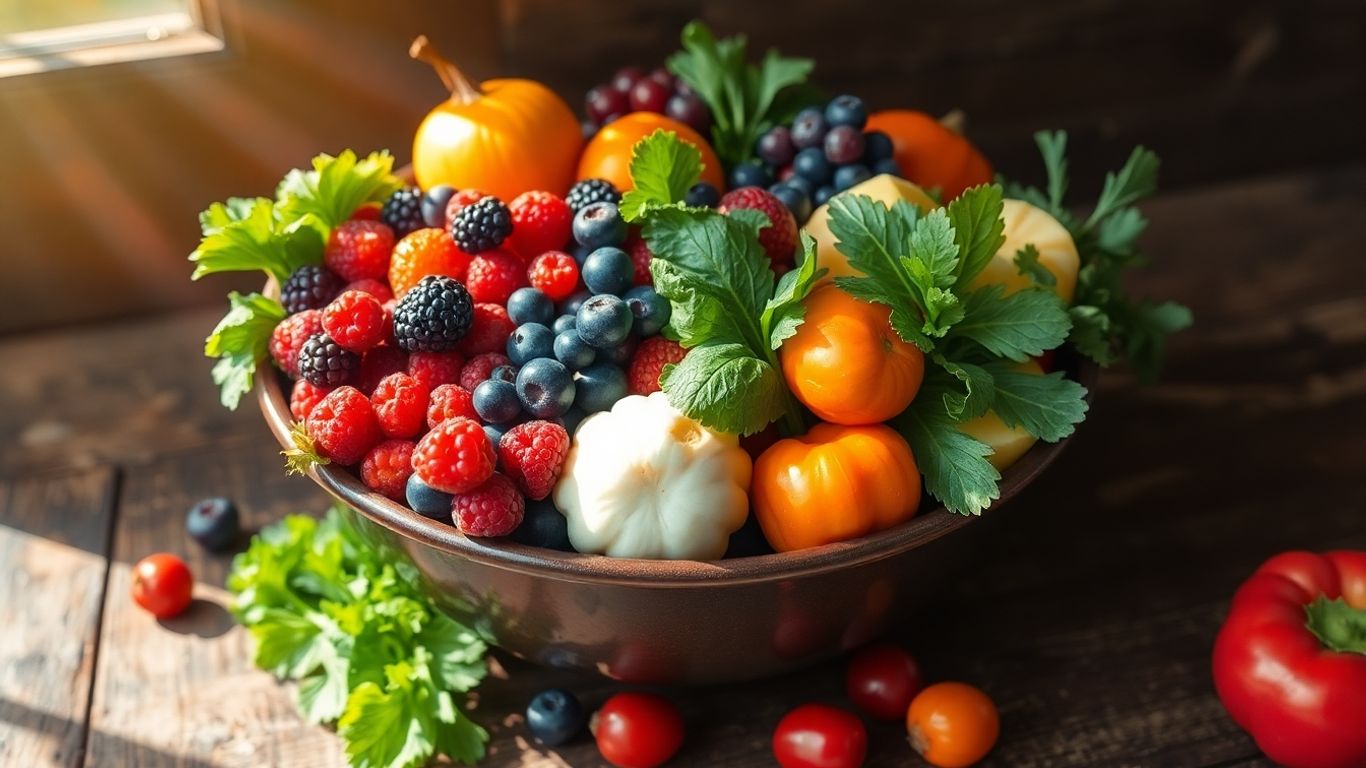
It's not just about digestion; it seems to affect, like, everything. Turns out, the tiny little critters living in our tummies, our microbiome, are super sensitive to what we eat. If you're looking to feel better overall, focusing on healthy food choices for your gut is a great place to start. This guide is all about making smart picks to keep that microbiome happy and thriving. We'll dive into what makes a gut happy, the foods that help, and how to make these choices a regular part of your life. Get ready to unlock a healthier you, starting from the inside out!
Key Takeaways
-
Eating a wide variety of plant-based foods is a top way to support a healthy gut microbiome. Aim for different colors and types of fruits, veggies, nuts, seeds, and whole grains each week.
-
Prebiotics are like food for your good gut bacteria, found in fiber-rich plant foods. Probiotics, found in fermented foods, add beneficial bacteria directly to your gut.
-
Be mindful of what you consume. Cutting back on ultra-processed foods, added sugars, artificial sweeteners, and limiting alcohol can help create a better environment for your gut microbes.
-
Beyond food, lifestyle habits matter. Getting enough sleep, exercising regularly, managing stress, and taking antibiotics only when truly necessary all play a role in gut health.
-
Focus on fiber-rich fruits, vegetables, nuts, and seeds. These foods provide the fuel your beneficial gut bacteria need to flourish, contributing to better overall gut health.
Embrace A Diverse Range Of Plant-Based Foods
When it comes to feeding your gut bugs, variety is seriously the spice of life. Think of your gut microbiome as a bustling city; the more diverse its inhabitants, the healthier and more resilient the city becomes. Aiming for a wide array of plant-based foods is one of the most impactful things you can do for your gut health. It's not just about eating more plants, but eating different kinds of plants. This approach ensures you're providing a broad spectrum of nutrients and fibers that different types of beneficial bacteria can feast on.
The Power Of Eating The Rainbow
Eating a colorful plate isn't just pretty; it's a smart strategy for gut health. Different colors in fruits and vegetables often signify different types of phytonutrients and antioxidants, many of which act as prebiotics. These compounds feed the good bacteria in your gut, helping them thrive and multiply. So, try to incorporate foods from across the spectrum – reds, oranges, yellows, greens, blues, and purples – into your meals. It’s a simple way to boost the diversity of your gut's ecosystem.
Incorporating Legumes For Gut Stability
Legumes, like beans, lentils, and chickpeas, are nutritional powerhouses for your gut. They are packed with fiber, including a type called galactooligosaccharide (GOS), which is a fantastic prebiotic. GOS specifically helps to support the growth of beneficial bacteria like Bifidobacteria. Don't shy away from them because of potential gas; that's often a sign your gut bacteria are actively fermenting and working hard! They are incredibly versatile, too. Think lentil soup, chickpea salads, or black beans in your tacos.
Here are some great legume options:
-
Black beans
-
Chickpeas
-
Lentils
-
Soybeans
-
Pinto beans
Whole Grains: Fueling A Diverse Microbiome
Whole grains are another cornerstone of a gut-friendly diet. Unlike refined grains, whole grains retain all parts of the grain kernel – the bran, germ, and endosperm – which are rich in fiber and other important nutrients. Studies have shown a strong link between consuming whole grains and a more diverse gut microbiome. They provide the fuel your gut microbes need to function optimally and contribute to overall health. Try swapping white bread for whole wheat, or adding oats, quinoa, or buckwheat to your meals.
Some excellent whole grain choices include:
-
Oats
-
Quinoa
-
Brown rice
-
Barley
-
Buckwheat
Nourish Your Gut With Prebiotics And Probiotics
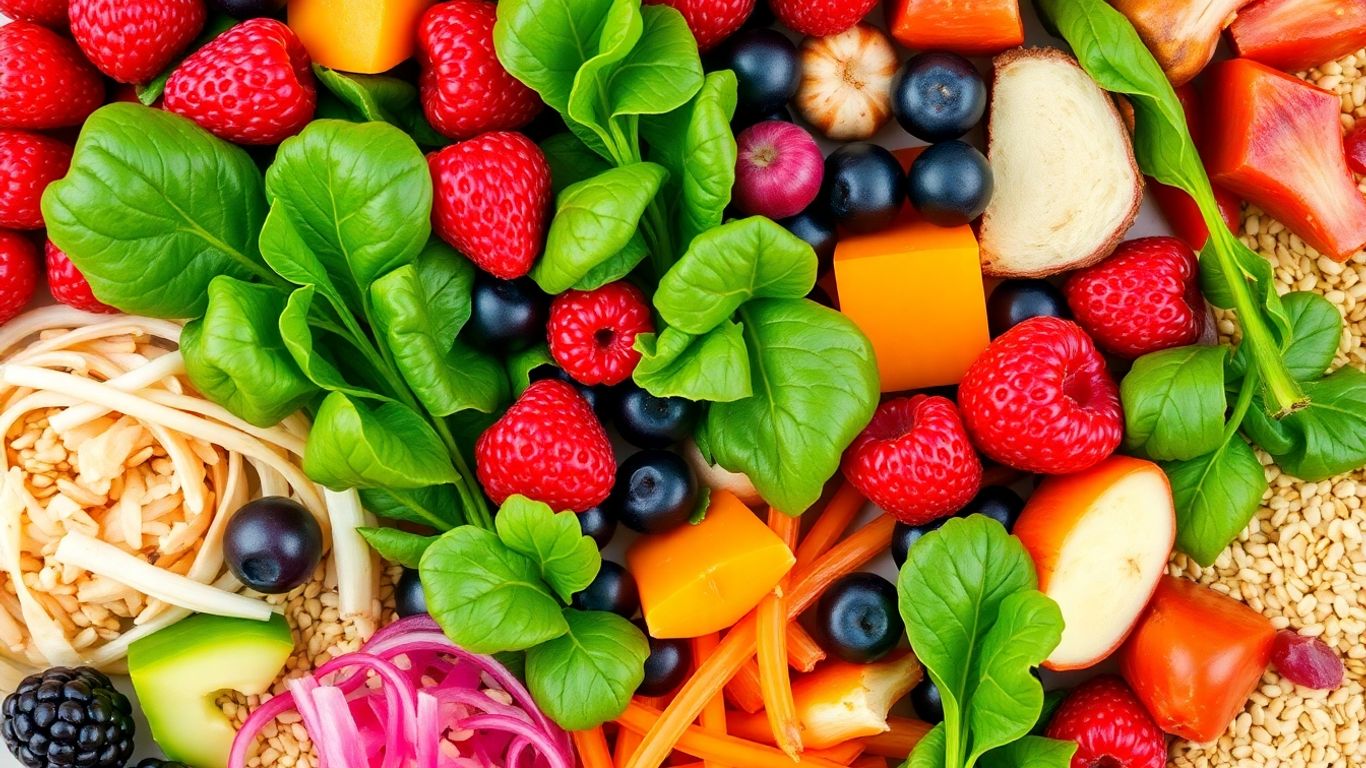
So, we've talked about eating a variety of plants, which is super important. But to really get your gut happy, you need to think about feeding those good bugs you've got living in there. That's where prebiotics and probiotics come in. They're like the dynamic duo for your digestive system.
Understanding The Role Of Prebiotics
Think of prebiotics as the food for your gut bacteria. They're basically types of fiber that your body can't digest on its own. So, instead of getting broken down early on, they travel all the way to your gut, where they become a buffet for your beneficial microbes. These fibers help the good bacteria multiply and thrive. Without enough prebiotics, even if you're eating probiotic-rich foods, those good bugs might not have what they need to stick around and do their job. Some great sources of prebiotics include things like garlic, onions, bananas, and whole grains. It's all about giving those tiny helpers the fuel they need.
The Benefits Of Probiotic-Rich Fermented Foods
Probiotics are the live, beneficial bacteria themselves. You find them in fermented foods. Eating these foods regularly can help increase the number and variety of good bacteria in your gut. This is important because a diverse gut microbiome is linked to better overall health, including a stronger immune system and less inflammation. Some common probiotic foods include yogurt, kefir, sauerkraut, and kimchi. Just remember, not all fermented foods are created equal; look for ones that haven't been pasteurized or heavily processed, as heat can kill off the live bacteria. Adding a serving of fermented food to your meals each day can make a real difference. You can find some great options for probiotic-rich foods to start with.
Creating A Welcoming Environment For Good Bacteria
It's not just about adding good bacteria; it's also about making sure your gut is a place where they want to live. A diet high in processed foods, sugar, and unhealthy fats can create an environment that's tough for good microbes. On the flip side, a diet rich in fiber from fruits, vegetables, and whole grains helps create a more balanced gut pH, which is more friendly to beneficial bacteria. So, it's a two-pronged approach: feed them well with prebiotics and probiotics, and make sure the environment is hospitable. It's like setting up a nice home for your gut's helpful residents.
Strategic Food Choices For Optimal Gut Health
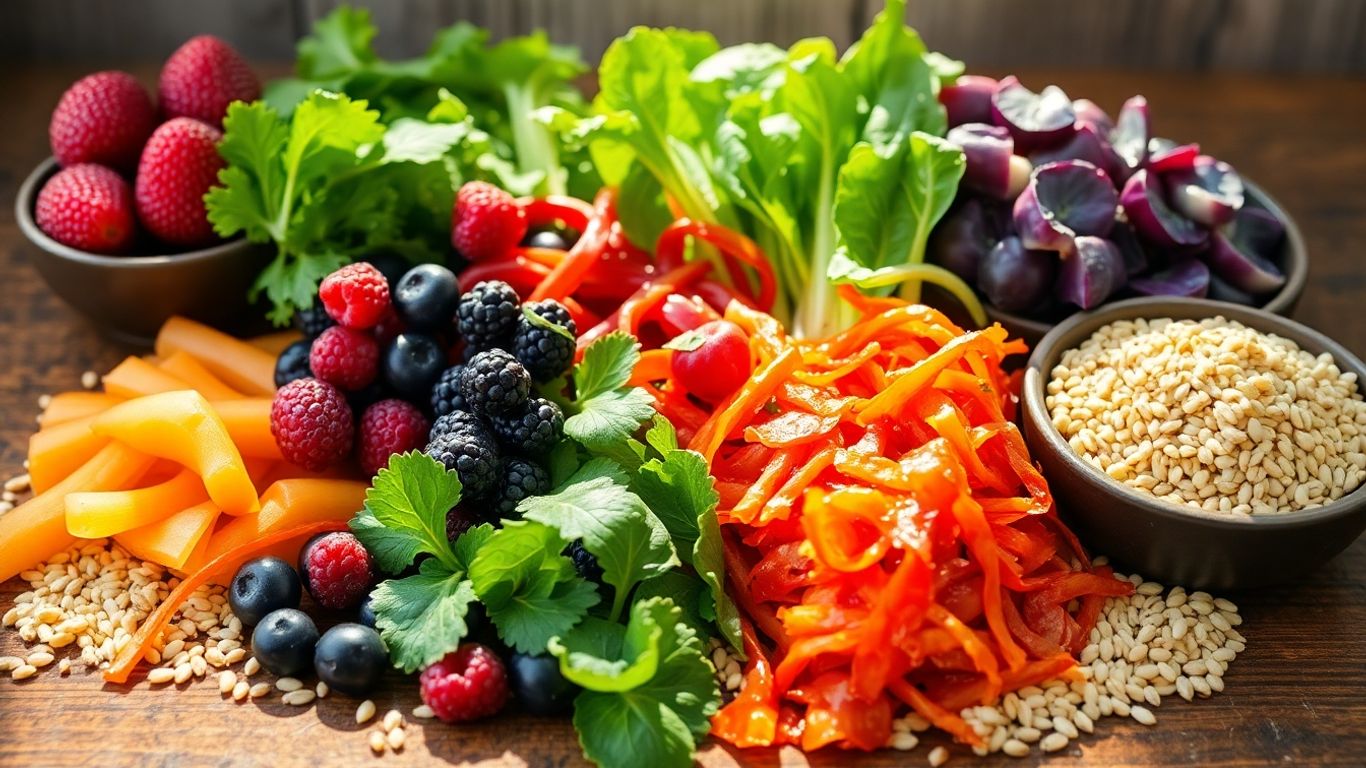
When you're thinking about what to put on your plate to make your gut happy, it really comes down to a few key areas. It's not about following some super strict diet, but more about making smart swaps and additions that your gut microbes will thank you for. Let's break down some of the best ways to eat for a healthier gut.
Prioritizing Fiber-Rich Fruits and Vegetables
Fruits and veggies are like the VIP section for your gut bacteria. They're packed with fiber, which is basically the food that keeps your good gut bugs fed and happy. Different colors mean different nutrients and fibers, so aiming for a variety is a good idea. Think berries, leafy greens, apples, carrots – the more colors you can get in, the better.
-
Aim for variety: Try to include at least 5-7 different types of fruits and vegetables each week.
-
Eat the skins: Many fruits and vegetables have fiber and nutrients in their skins, so wash them well and eat them when you can.
-
Include a mix: Combine raw and cooked options to get a broader range of nutrients and textures.
The more diverse your plant intake, the more diverse your gut microbiome tends to be. This diversity is linked to better overall health.
The Importance of Nuts and Seeds
Don't underestimate the power of nuts and seeds! They're not just snacks; they're little powerhouses of fiber, healthy fats, and other compounds that your gut loves. Things like almonds, walnuts, chia seeds, and flaxseeds can add a nice boost to your diet. Sprinkle them on yogurt, add them to salads, or just have a small handful as a snack. They're a great way to add texture and nutrients without a lot of fuss.
Choosing Fermented Foods for Beneficial Bacteria
Fermented foods are where the probiotics live. These are the live, beneficial bacteria that can actually add to the population of good bugs in your gut. Think yogurt with live cultures, kefir, sauerkraut, kimchi, and kombucha. These foods have been around for ages, and for good reason! They can help introduce a wider range of good bacteria and support a balanced gut environment. Just be mindful of added sugars in some commercial products.
Minimizing Gut Irritants And Processed Foods
When we talk about gut health, it's easy to get excited about all the good stuff we should be eating. But just as important is knowing what to cut back on. Some foods can really mess with your gut's delicate balance, causing inflammation and feeding the less helpful microbes. Paying attention to these irritants can make a big difference in how you feel.
Reducing Intake Of Ultra-Processed Foods
Ultra-processed foods are those that have undergone significant industrial processing. Think of things like pre-packaged snacks, sugary cereals, and many frozen meals. These foods often lack fiber and beneficial nutrients, and they're usually loaded with added sugars, unhealthy fats, salt, and artificial additives. Your gut microbes thrive on variety and fiber, not on these highly refined ingredients. Regularly consuming these can lead to a less diverse gut population, which isn't ideal for overall health. It's a good idea to limit these and focus on whole, unprocessed options whenever possible. For instance, instead of reaching for a processed snack bar, consider a piece of fruit or a handful of nuts. You can find helpful tips on gut-friendly foods here.
Understanding The Impact Of Alcohol On Gut Flora
Alcohol, even in moderate amounts, can affect your gut. While heavy drinking is known to cause significant damage, even a single drink can start to alter your gut's microbial community. Research suggests that changes can happen quite quickly after consuming alcohol. It's not just about the quantity; the type of alcohol and how often you drink it also play a role. If you enjoy alcoholic beverages, moderation is key. For women, this generally means up to one drink per day, and for men, up to two drinks per day. Reducing alcohol intake can help your gut microbes recover and maintain a healthier balance.
Limiting Added Sugars And Artificial Sweeteners
Added sugars are a big one. They feed the less desirable bacteria in your gut and can contribute to inflammation. This includes sugars found in sodas, candies, baked goods, and even some seemingly healthy items like flavored yogurts. Artificial sweeteners are also a concern. While they don't contain calories, they can still interact with your gut bacteria in ways that might negatively change its composition. Some studies suggest they can reduce the number of good bacteria and increase the less beneficial ones. It's often best to limit both added sugars and artificial sweeteners, opting for natural sweetness from fruits or using them very sparingly. Your gut will thank you for it.
Lifestyle Habits That Support Your Microbiome
Beyond what you put on your plate, how you live your life plays a big role in keeping your gut bugs happy. It turns out that things like sleep, moving your body, and even when you eat can make a difference. Think of it like tending a garden; you need the right soil, but you also need the right conditions for everything to grow well.
The Crucial Link Between Sleep and Gut Health
Getting enough quality sleep is surprisingly important for your gut. Your gut microbiome and your sleep patterns actually talk to each other. When you don't sleep well, it can mess with the types of bacteria in your gut, and some studies suggest this can lead to more inflammation and problems with how your body handles sugar. Aiming for 7-9 hours of uninterrupted sleep each night is a good goal for overall health, including your gut.
Regular Exercise For A Thriving Gut
Moving your body regularly is another fantastic way to support a diverse and healthy gut microbiome. You don't need to run marathons; even moderate activity can help. Exercise seems to encourage a wider variety of beneficial microbes to take up residence in your digestive system. It's a win-win: good for your body and good for your gut.
Mindful Meal Timing For Digestive Rest
When you eat can be just as important as what you eat. Some research suggests that our gut microbes have their own internal clocks, similar to our own sleep-wake cycles. This means that giving your digestive system a break, especially overnight, can be beneficial. Try to avoid late-night snacking and give yourself a good few hours between your last meal and bedtime. This allows your gut lining to rest and repair, which is important for keeping everything running smoothly.
Allowing your digestive system periods of rest, particularly overnight, can help maintain the health of your gut lining. This downtime is important for the well-being of your gut microbiome and your immune system.
Essential Considerations For Gut Health Management
So, we've talked a lot about what to eat to make your gut happy. But it's not just about the food on your plate. There are other big things that can really mess with your gut or help it out. Think of it like maintaining a garden – you need the right soil, but you also need to manage pests and give it the right conditions to thrive.
Antibiotics: Use Only When Necessary
Antibiotics are amazing drugs, no doubt about it. They can save lives when you've got a serious bacterial infection. But here's the thing: they don't just target the bad guys. They can also wipe out a lot of the good bacteria in your gut, too. These changes can stick around for a while, sometimes longer than you'd think. So, it's super important to only take antibiotics when your doctor says you really need them, and always follow their instructions to the letter. It’s about using these powerful tools wisely.
Stress Management For A Balanced Microbiome
Life throws curveballs, and stress is a big one. Whether it's work deadlines, family stuff, or just general worry, stress can really throw your gut for a loop. Scientists are still figuring out all the exact ways stress messes with our gut bugs, but we know it can lead to things like bloating, tummy aches, and just feeling generally off. Finding ways to chill out, whether it's through meditation, yoga, spending time in nature, or just taking a few deep breaths, can make a real difference for your gut health. It’s about giving your system a break.
Avoiding Smoking For Intestinal Well-being
If you're a smoker, this is another area where quitting can seriously benefit your gut. Smoking is linked to a higher chance of getting chronic gut problems and even certain cancers in your digestive system. Plus, studies show that smokers tend to have a less diverse mix of gut bacteria, kind of similar to people with inflammatory bowel disease or obesity. Making the choice to quit smoking is a big step for your overall health, and your gut will thank you for it. It's a tough habit to break, but the payoff for your intestinal well-being is huge. You can find resources to help you quit if you're ready to take that step.
Taking care of your gut isn't a one-trick pony. It involves a mix of smart food choices, mindful lifestyle habits, and being careful with things like medications and stress. It's all connected, and small changes in these areas can add up to a big difference in how your gut feels and functions. Research into the gut microbiome is poised to significantly influence future dietary strategies and nutritional advice. This area of study holds the key to understanding how gut bacteria impact overall health and how we can leverage this knowledge for improved nutrition and well-being. gut health research
Wrapping It Up: Your Gut's Best Friends
So, we've talked a lot about what makes a gut happy and healthy. It really comes down to variety, especially with plants. Think of it like throwing a party for your gut bugs – the more different kinds of food you offer, the more guests show up and the happier everyone is. Don't forget those fermented foods and whole grains, they're like the VIP section. And while we're at it, getting enough sleep, moving your body, and managing stress are just as important. It's not about perfection, though. Enjoying your food is part of it. Just aim for balance, listen to your body, and keep feeding those good gut microbes. Your whole body will thank you for it.
Frequently Asked Questions
What exactly is the gut microbiome?
Think of your gut microbiome as a bustling city inside your belly, filled with trillions of tiny living things like bacteria, fungi, and other microbes. These little guys are super important for breaking down your food, helping your body get the good stuff from it, and even keeping your immune system strong. Everyone's gut city is a little different, making it unique to you!
Why is eating a variety of plant foods so important for my gut?
Eating lots of different colorful fruits, veggies, nuts, seeds, and whole grains is like throwing a big party for your good gut bacteria. These plant foods are packed with fiber and other special nutrients that these good bugs just love to eat. The more variety you eat, the happier and more diverse your gut bacteria will be, which is great for your overall health.
What's the difference between prebiotics and probiotics?
Prebiotics are like the food or snacks that feed your good gut bacteria, helping them grow and thrive. They are usually types of fiber found in plant foods. Probiotics, on the other hand, are the actual live good bacteria themselves, often found in fermented foods like yogurt or kimchi. So, prebiotics feed the good guys, and probiotics *are* the good guys!
Are fermented foods really good for my gut?
Yes, many fermented foods like yogurt, kefir, sauerkraut, and kimchi can be really beneficial for your gut! This is because they often contain probiotics, which are those helpful live bacteria. Adding these foods regularly can help increase the number and variety of good bacteria living in your gut, which is fantastic for digestion and overall health.
How do things like alcohol and sugary snacks affect my gut?
Unfortunately, things like too much alcohol and sugary treats can upset the balance in your gut. They can feed the not-so-good bacteria and create an environment where the helpful bacteria struggle to survive. Limiting these can help keep your gut bugs happy and healthy.
Besides food, what else can I do to help my gut health?
Your gut loves a healthy lifestyle! Getting enough sleep, exercising regularly, and managing stress are all super helpful. Even things like trying not to snack too late at night can give your gut a break. And remember, only take antibiotics when your doctor says you really need them, as they can affect your gut bacteria.
Disclaimer
This content is provided for educational and informational purposes only and does not constitute medical advice, diagnosis, or treatment. Reading this article does not establish a physician-patient relationship. Treatment decisions should always be made in consultation with a qualified licensed healthcare professional. If you are experiencing a medical emergency, call 911 immediately.